The Fact Unfold Home

Category

Health & Wellness

23 articles


Skipping Travel Insurance Feels Smart Right Up Until the Moment It Isn't

Skipping Travel Insurance Feels Smart Right Up Until the Moment It Isn't

Most Americans board international flights assuming their existing health plan or credit card has them covered. The reality is a lot more complicated — and a lot more expensive when things go wrong. Here's what travel insurance actually does, and why the gaps in your current coverage are bigger than you think.

The Bottle Feels Cleaner — But the Regulations Say Otherwise

The Bottle Feels Cleaner — But the Regulations Say Otherwise

Most Americans assume bottled water is held to a higher safety standard than what comes out of the tap. The regulatory reality is almost exactly the opposite — and the gap between perception and oversight has been quietly profitable for decades.

Walking Away Without Bargaining Isn't Polite — It's Actually the Rude Move

Walking Away Without Bargaining Isn't Polite — It's Actually the Rude Move

American travelers across Mexico, Southeast Asia, and the Middle East routinely refuse to negotiate prices out of a misplaced sense of politeness — not realizing that the fixed-price model is a Western cultural export, not a global standard. In many markets, accepting the first number offered isn't respectful. It's actually disruptive. Here's what's really going on.

By the Time TikTok Called It a Hidden Gem, the Locals Were Already Exhausted

By the Time TikTok Called It a Hidden Gem, the Locals Were Already Exhausted

Social media has convinced a generation of travelers that they're discovering places nobody else knows about — but the algorithm doesn't surface new content, it surfaces content that's already working. The 'hidden gem' you found this morning was probably somebody else's viral moment six months ago. Here's what's actually happening behind the scroll.

Your Morning Coffee Isn't Waking You Up — Your Brain Just Stopped Telling You How Tired You Are

Your Morning Coffee Isn't Waking You Up — Your Brain Just Stopped Telling You How Tired You Are

Millions of Americans treat coffee like a reset button after a rough night, but neuroscientists say caffeine doesn't actually restore energy — it just mutes the signal your brain uses to tell you it's exhausted. The crash you feel later isn't the coffee wearing off. It's the bill coming due. Here's what's really happening inside your head every time you reach for that cup.

You Don't Have Jet Lag — You Have Airplane Hangover

You Don't Have Jet Lag — You Have Airplane Hangover

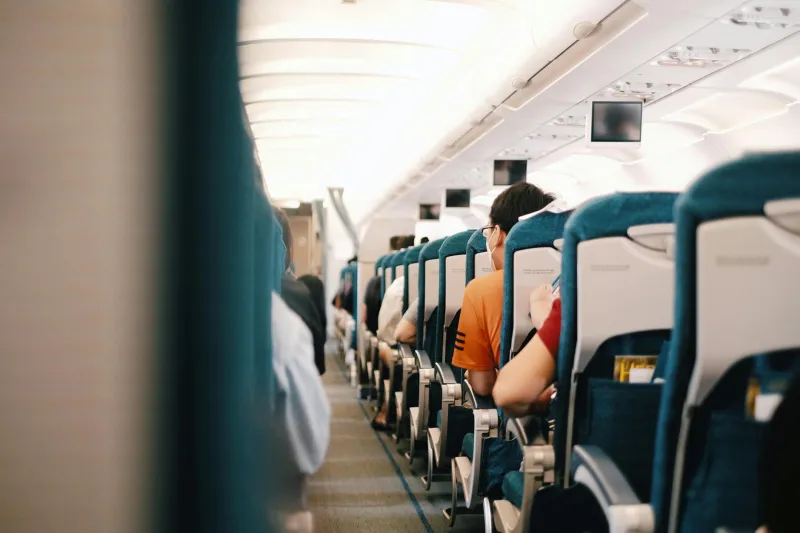
That exhausted, disoriented feeling after long flights gets blamed on jet lag, but researchers say much of your misery has nothing to do with time zones. Dehydration, cabin pressure, and recycled air create symptoms that mimic circadian disruption but require completely different solutions.

Your Body's Clock Breaks in Ways Coffee and Melatonin Can't Fix

Your Body's Clock Breaks in Ways Coffee and Melatonin Can't Fix

Most travelers think jet lag is just about feeling tired and treat it with caffeine and sleep aids. But jet lag disrupts your body's internal systems in ways that make the standard advice surprisingly ineffective at addressing what's actually happening to you.

The Date Stamped on Your Food Was Never About Your Safety

The Date Stamped on Your Food Was Never About Your Safety

Americans throw away enormous amounts of food every year because of dates printed on packaging — but those dates were never designed to tell you when something is unsafe to eat. The system behind them is far less official than it looks, and food scientists say most of us are reading them wrong.

Eight Glasses a Day Was Never a Rule — So Why Does Everyone Still Follow It?

Eight Glasses a Day Was Never a Rule — So Why Does Everyone Still Follow It?

Tracking your daily water intake like it's a personal obligation is something millions of Americans do without question. But the eight-glasses guideline has no solid scientific foundation — and the story of how it became health gospel is a surprisingly good lesson in how outdated advice takes on a life of its own.

Summer Is the Most Expensive Time to See Europe — And Most Americans Go Anyway

Summer Is the Most Expensive Time to See Europe — And Most Americans Go Anyway

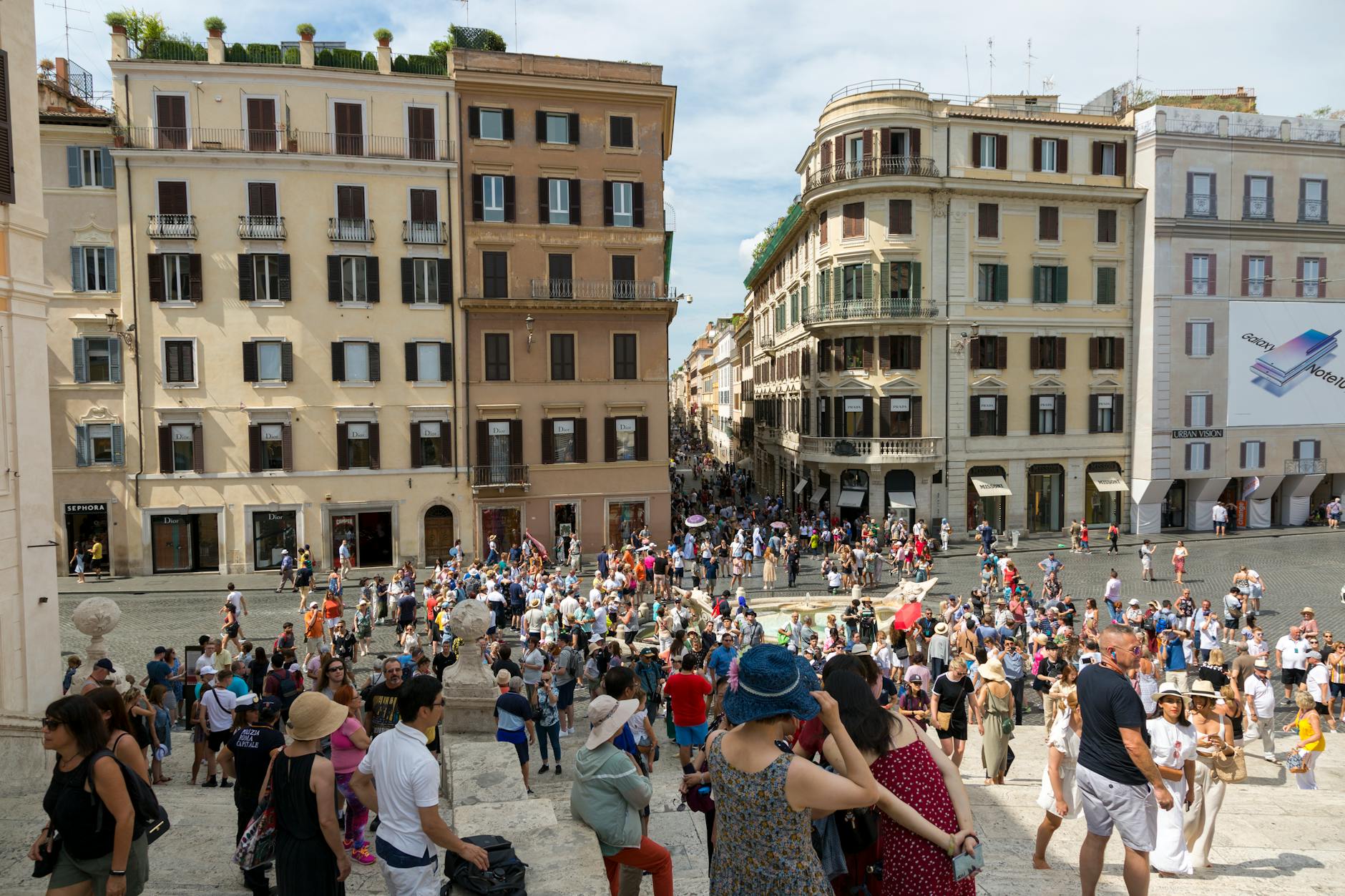
For millions of US travelers, a summer trip to Europe feels like the obvious move. The weather is warm, the kids are out of school, and every movie ever made about European travel seems to be set in July. But the numbers behind peak-season pricing tell a very different story about what that timing actually costs you.